
September
How to Cook Perfect Basmati Rice: Simple Tips for Fluffy and Aromatic Rice
Basmati rice is enjoyed around the world for its long grains, delicate aroma and light, fluffy texture. From everyday meals with dal and curry to special dishes like biryani and pulao, perfectly cooked basmati rice can make every meal more enjoyable.
However, achieving perfectly cooked rice depends on the right balance of rice, water, heat and cooking time. Too much water can make the rice sticky, while too little water may leave the grains undercooked.
In this guide, SS Global Foods shares simple and practical tips for preparing fluffy, aromatic and non-sticky basmati rice at home.
What Makes Basmati Rice Special?
Basmati rice is known for its slender grains, distinctive aroma and separate texture when cooked properly. Quality basmati rice can develop a beautiful fragrance during cooking while maintaining its individual grains.
The quality of the rice plays an important role in the final result. Choosing good-quality rice and using the right cooking method can help produce long, fluffy and appealing grains.
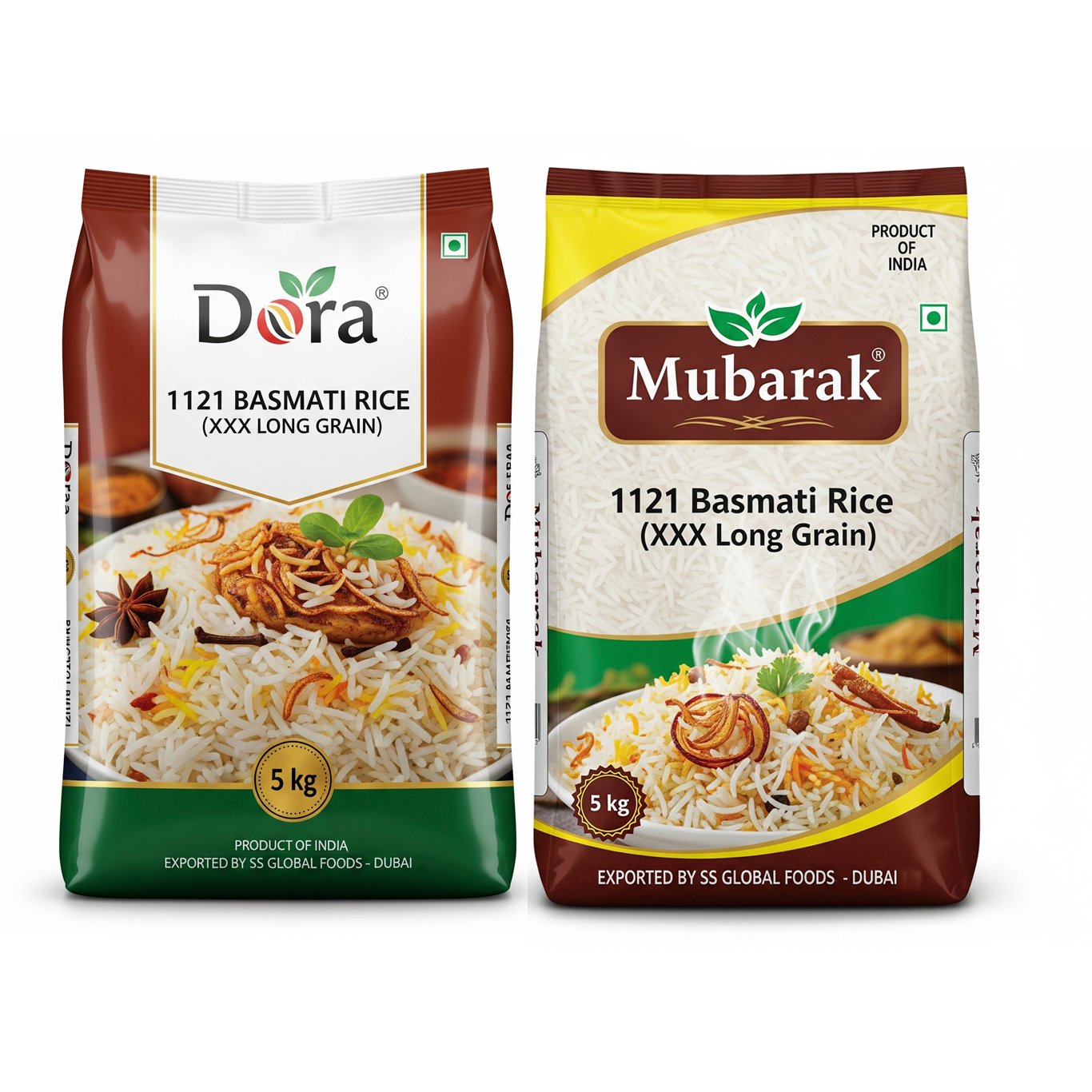
At SS Global Foods, we focus on sourcing and supplying quality Indian food products for international markets. Our brands, Mubarak and Dora, include rice products selected with quality and consistency in mind.
How to Cook Basmati Rice
There are several ways to cook basmati rice. Two simple methods are the Absorption Method and the Drain Method.
Method 1: Absorption Method
The absorption method allows the rice to cook by absorbing the water completely. It is a simple choice when you want light and separate grains.
Ingredients
- 1 cup basmati rice
- 1.5–1.75 cups water
- Salt according to taste
- 1 teaspoon oil or ghee (optional)
Step-by-Step Instructions
1. Rinse the rice
Wash the rice 2–3 times with clean water. This helps remove excess surface starch and can reduce stickiness.
2. Soak the rice
Soak the rice for around 20–30 minutes. This can help the grains cook more evenly.
3. Add water
Add the required amount of water to a saucepan. Add salt and oil or ghee if desired.
4. Add the rice
Drain the soaked rice and add it to the hot or boiling water. Stir gently once.
5. Cook on low heat
Cover the saucepan and reduce the heat to low. Cook until the water has been absorbed and the grains are tender.
6. Let the rice rest
Turn off the heat and keep the rice covered for 5–10 minutes. The remaining steam helps finish the cooking process.
7. Fluff and serve
Gently separate the grains using a fork and serve.
Method 2: Drain Method
The drain method is similar to cooking pasta. It allows you to remove excess cooking water and can produce a lighter texture.
Ingredients
- 1 cup basmati rice
- 4–5 cups water
- Salt according to taste
Step-by-Step Instructions
1. Rinse the rice
Wash the rice with clean water until the water becomes relatively clear.
2. Boil the water
Bring 4–5 cups of water to a boil and add salt.
3. Add the rice
Add the washed rice to the boiling water and stir gently.
4. Cook the rice
Cook until the grains are tender but still separate. Cooking time may vary depending on the rice.
5. Drain the water
Carefully drain the excess water using a fine strainer.
6. Allow the rice to rest
Cover the rice and allow it to rest for a few minutes.
7. Fluff before serving
Gently fluff the rice with a fork and serve.
Tips for Long, Fluffy and Non-Sticky Basmati Rice
1. Choose Quality Rice
Good-quality rice with consistent grain characteristics can make a noticeable difference in the final cooked result.
2. Rinse Before Cooking
Rinsing helps remove excess surface starch and can help prevent the grains from becoming sticky.
3. Soak When Appropriate
Soaking for around 20–30 minutes can help the grains cook more evenly and may reduce breakage.
4. Use the Right Water Ratio
The required amount of water can vary depending on the rice, cooking method and soaking time. Always follow the preparation instructions for your specific product.
5. Avoid Opening the Lid Frequently
When using the absorption method, keeping the lid closed helps maintain steam inside the saucepan.
6. Allow the Rice to Rest
A short resting period after cooking can improve the final texture.
7. Fluff Gently
Use a fork and avoid vigorous stirring to help maintain the shape of the grains.
Basmati Rice for Everyday Meals and Special Occasions
Basmati rice is versatile and can be enjoyed with:
- Dal and vegetables
- Chicken and mutton curry
- Butter chicken
- Paneer dishes
- Kebabs and tandoori dishes
- Pulao
- Biryani
- Grilled meat and seafood
Its fragrance and delicate texture make it suitable for both everyday meals and special occasions.
Mubarak & Dora Rice from SS Global Foods
At SS Global Foods, our focus is on sourcing and supplying Indian food products for customers and markets around the world.
Our brands Mubarak and Dora offer a range of food products, including rice, with a focus on quality and consistency.
Whether you are preparing a simple rice meal, pulao or traditional biryani, choosing quality rice and following the right cooking method can make a noticeable difference.
Frequently Asked Questions
Is basmati rice difficult to cook?
No. With the right water ratio, preparation and cooking method, basmati rice can be prepared easily at home.
Should basmati rice be soaked before cooking?
Soaking is optional for some methods, but soaking for around 20–30 minutes can help the grains cook more evenly.
Why does basmati rice become sticky?
Excess water, insufficient rinsing, overcooking or excessive stirring can contribute to sticky rice.
How long should cooked basmati rice rest?
A covered resting period of around 5–10 minutes is generally helpful after cooking, particularly with the absorption method.
Can basmati rice be used for biryani?
Yes. Basmati rice is widely used for biryani because of its long, slender grains and characteristic aroma.
How should leftover basmati rice be stored?
Allow cooked rice to cool promptly, place it in a clean airtight container and refrigerate it. Reheat thoroughly before serving.
Conclusion
Cooking delicious basmati rice does not have to be complicated. Quality rice, proper rinsing, the right amount of water and careful cooking can help you achieve light, fluffy and aromatic grains.
Whether you prefer the absorption method or the drain method, understanding your rice and following the correct preparation technique is the key to a good result.
SS Global Foods
Indian Food Products | Global Sourcing & Export
Mubarak | Dora
For business and international rice enquiries, contact SS Global Foods with your required quality, quantity, packing and destination details